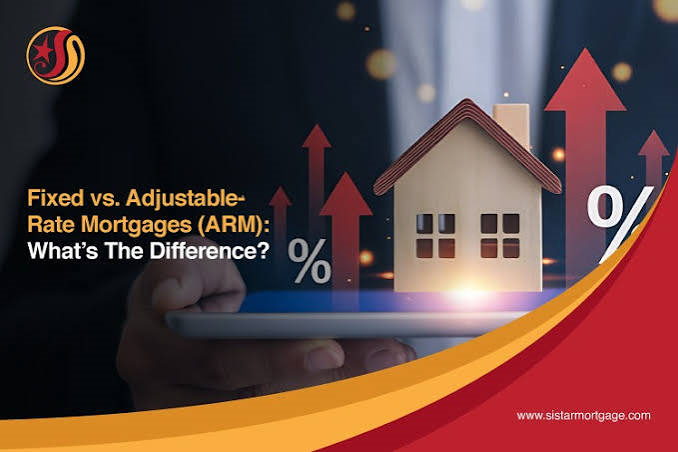


Choosing the right mortgage is one of the most important financial decisions you’ll make when buying a home. One of the biggest choices borrowers face is deciding between a fixed-rate mortgage and an adjustable-rate mortgage (ARM). Both options have unique benefits and potential drawbacks, and the best choice depends on your financial goals, budget, and how long you plan to stay in your home.
Understanding the differences between these two mortgage types can help you make a confident decision and potentially save thousands of dollars over the life of your loan. Whether you’re a first-time homebuyer or looking to refinance, knowing how each loan works is essential.
At DreamDoorMortgage, we help borrowers compare mortgage options and choose financing solutions that fit their unique needs. This guide explains the key differences between fixed-rate and adjustable-rate mortgages so you can determine which option is right for you.
What Is a Fixed-Rate Mortgage?
A fixed-rate mortgage is a home loan with an interest rate that remains the same throughout the entire loan term. Whether you choose a 15-year or 30-year mortgage, your principal and interest payments stay consistent, making it easier to budget for the future.
Fixed-rate mortgages are one of the most popular loan options because they provide stability and predictable monthly payments, even if market interest rates rise.
Benefits of a Fixed-Rate Mortgage
- Consistent monthly payments
- Protection from rising interest rates
- Easier long-term budgeting
- Greater financial stability
- Ideal for homeowners planning to stay in their home for many years
Potential Drawbacks
- Higher initial interest rates than some adjustable-rate mortgages
- Less flexibility if interest rates decrease significantly
- Refinancing may be required to benefit from lower market rates
For buyers who value financial predictability, a fixed-rate mortgage is often the preferred option.
What Is an Adjustable-Rate Mortgage (ARM)?
An adjustable-rate mortgage (ARM) is a home loan with an interest rate that changes periodically after an initial fixed-rate period. Common ARM options include 5/1, 7/1, and 10/1 mortgages, where the interest rate remains fixed for the first several years before adjusting based on market conditions.
Because ARMs usually begin with lower interest rates than fixed-rate mortgages, they can offer lower monthly payments during the introductory period.
Benefits of an Adjustable-Rate Mortgage
- Lower initial interest rates
- Reduced monthly payments during the fixed period
- Potential savings if interest rates remain low
- Suitable for short-term homeowners
- May allow buyers to qualify for a larger loan amount
Potential Drawbacks
- Monthly payments may increase after the fixed period ends
- Interest rate changes depend on market conditions
- Long-term costs can be unpredictable
- Budgeting becomes more challenging if rates rise
Borrowers should carefully evaluate their financial situation before choosing an ARM.
Key Differences Between Fixed and Adjustable-Rate Mortgages
Understanding the major differences can help you select the right mortgage for your needs.
Interest Rate
A fixed-rate mortgage keeps the same interest rate for the life of the loan, while an adjustable-rate mortgage begins with a fixed rate that later changes based on market indexes.
Monthly Payments
Fixed-rate mortgages offer predictable monthly payments. Adjustable-rate mortgages may start with lower payments but can increase after the introductory period.
Long-Term Cost
If interest rates rise significantly, a fixed-rate mortgage may cost less over time because your rate never changes. An ARM could become more expensive if market rates increase.
Flexibility
An adjustable-rate mortgage may be beneficial if you plan to move or refinance before the rate adjusts. A fixed-rate mortgage is generally better for long-term homeowners who want payment stability.
Which Mortgage Is Best for First-Time Homebuyers?
Many first-time homebuyers prefer fixed-rate mortgages because they provide consistent monthly payments and make budgeting easier. Knowing exactly what you’ll pay each month can reduce financial stress during the early years of homeownership.
However, some buyers choose adjustable-rate mortgages if they:
- Plan to relocate within a few years
- Expect their income to increase
- Intend to refinance before the adjustment period begins
- Want lower initial monthly payments
The right choice depends on your personal financial goals and future plans.
Factors to Consider Before Choosing
Before selecting a mortgage, ask yourself these important questions:
- How long do I plan to stay in the home?
- Can I comfortably afford higher payments if interest rates rise?
- Do I prefer payment stability or lower initial costs?
- What are current market interest rates?
- Is refinancing likely in the future?
Answering these questions can help you determine which loan aligns with your financial situation.
How DreamDoorMortgage Can Help
Choosing between a fixed-rate mortgage and an adjustable-rate mortgage doesn’t have to be confusing. At DreamDoorMortgage, our experienced mortgage professionals help borrowers compare loan options, understand interest rates, and select financing that supports their long-term goals.
We offer:
- Competitive mortgage rates
- Fixed-rate mortgage options
- Adjustable-rate mortgage programs
- Personalized loan recommendations
- Fast mortgage pre-approvals
- Dedicated support from application to closing
Our goal is to simplify the mortgage process and help you make informed financial decisions.
Frequently Asked Questions
Is a fixed-rate mortgage better than an adjustable-rate mortgage?
It depends on your financial goals. Fixed-rate mortgages provide payment stability, while adjustable-rate mortgages may offer lower initial costs for borrowers who don’t plan to stay in the home long-term.
When does an adjustable-rate mortgage change?
The interest rate adjusts after the initial fixed-rate period, which varies depending on the loan program. Common terms include 5/1, 7/1, and 10/1 ARMs.
Can I refinance a fixed-rate mortgage?
Yes. Many homeowners refinance to secure a lower interest rate or change their loan terms if market conditions become favorable.
Are adjustable-rate mortgages risky?
ARMs can be beneficial for some borrowers, but payments may increase if interest rates rise. It’s important to understand how adjustments work before choosing this type of loan.
Why choose DreamDoorMortgage?
DreamDoorMortgage provides personalized mortgage guidance, competitive loan programs, and expert support to help borrowers choose the financing option that best fits their needs.
Conclusion
Choosing between a fixed-rate mortgage and an adjustable-rate mortgage is an important decision that can affect your finances for years to come. Fixed-rate mortgages offer long-term stability and predictable payments, while adjustable-rate mortgages provide lower initial rates and may be ideal for borrowers with short-term homeownership plans.
At DreamDoorMortgage, we’re committed to helping you understand your options and select the mortgage that aligns with your financial goals. Whether you’re buying your first home, upgrading to a larger property, or refinancing your current mortgage, our experienced team is here to guide you every step of the way. Contact DreamDoorMortgage today to explore your mortgage options with confidence.